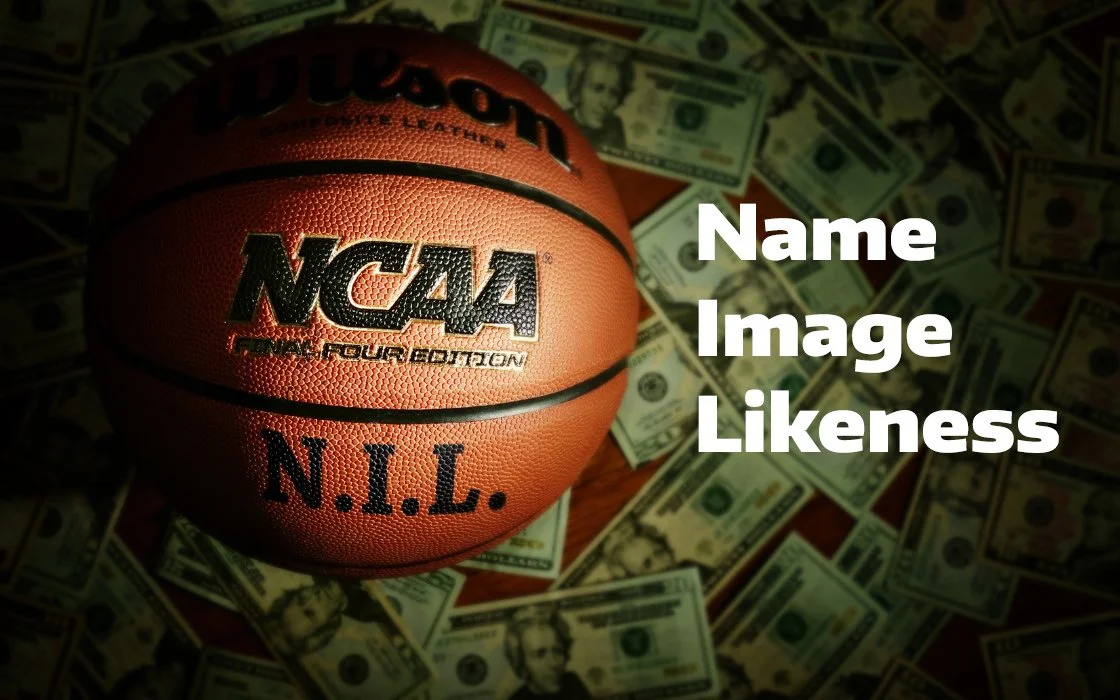
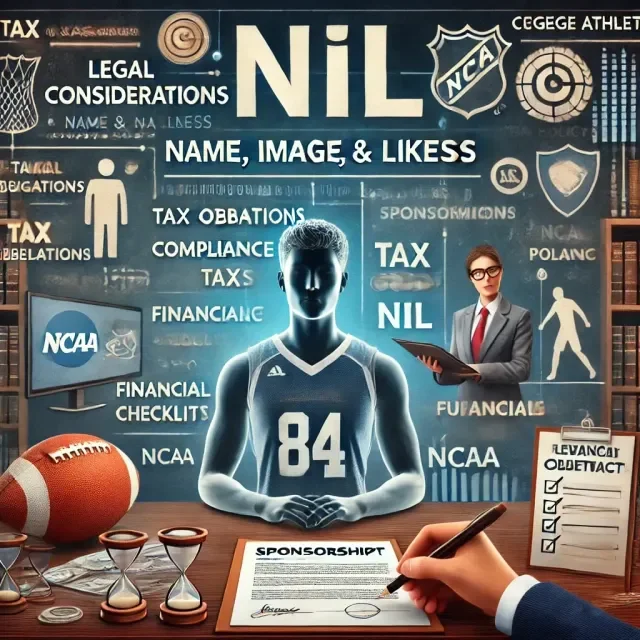
(Source:Masterly Consulting Group)
The Foundation
The world of collegiate athletes getting paid is here, and it is here to stay. Name, Image, and Likeness is a term you probably have grown to hear more and more over the last few years in college sports. What does it mean? Name, image, and likeness or commonly referred to as NIL is the collegiate athlete's ability to profit off of their own personal brand. The way professional athletes have been able to make money based on things they sell and companies they endorse, is now in the college world. As the question of collegiate athletes being able to make money on their brand has always been in question, the ramifications and impacts it has had now that it is here has changed collegiate sports forever.
History of AMATEURISM in college sports
In 1906 the first set of bylaws were set to address the focus on amateurism. It stated, “No scholarship or financial aid based on athletic ability rather than academic ability was permissible." (Andrew Czekanski) As years went on, college sports became a national treasure. Universities and legislation were starting to take notice of the rise of popularity that star athletes would bring to the university’s name. “In 1948 when the NCAA passed the Sanity Codes to “alleviate the proliferation of exploitative practices in the recruitment of student-athletes” (Smith, 2011, p. 14). Though the codes were repealed a few years later, they marked an important time in college sport as the NCAA began implementing new bylaws and evolving their core values to allow athletes to receive a form of payment for their athletic ability. Newspapers that would deliver the game recap the next day painted it as a heroic battle. The more college sports like football began to grow, the more that universities wanted to get the best players to attend their university. What became evident, was that once you came to these universities and succeeded athletically, you became a national star. For the longest time, these stars were having universities use their Name, Image, and likeness not to their advantage, and lead to a monumental change in the college landscape down the road.
(Source:Fox Business)
Personalized Cases
The names Reggie Bush and Johnny Manziel may ring a bell if you are a college football fan. While most of it that you remember may be based on their play, a large portion has to do with their off the field actions of illegally accepting money. Before NIL became legal on July 1st, 2021. Athletes who received any sort of many from fans or companies were punished severely. Reggie Bush learned this the hard way, after they revoked his 2004 Heisman trophy for illegally receiving benefits from sports marketers. This case was a widespread controversy because many thought Bush was unfairly treated for the actions. “The NCAA has argued allowing student-athletes to make money off their image would shift their attention from their education to athletic success and revenue generation.” (O’Bannon v. NCAA, 2015) Johnny Manziel, who was often remembered for his innate ability to create plays as well as be the life of the show off the field, was another person who was investigated for receiving money in 2013. Both of these players were against their rights in what they did at the time, however, if done today, there would be no ramifications.
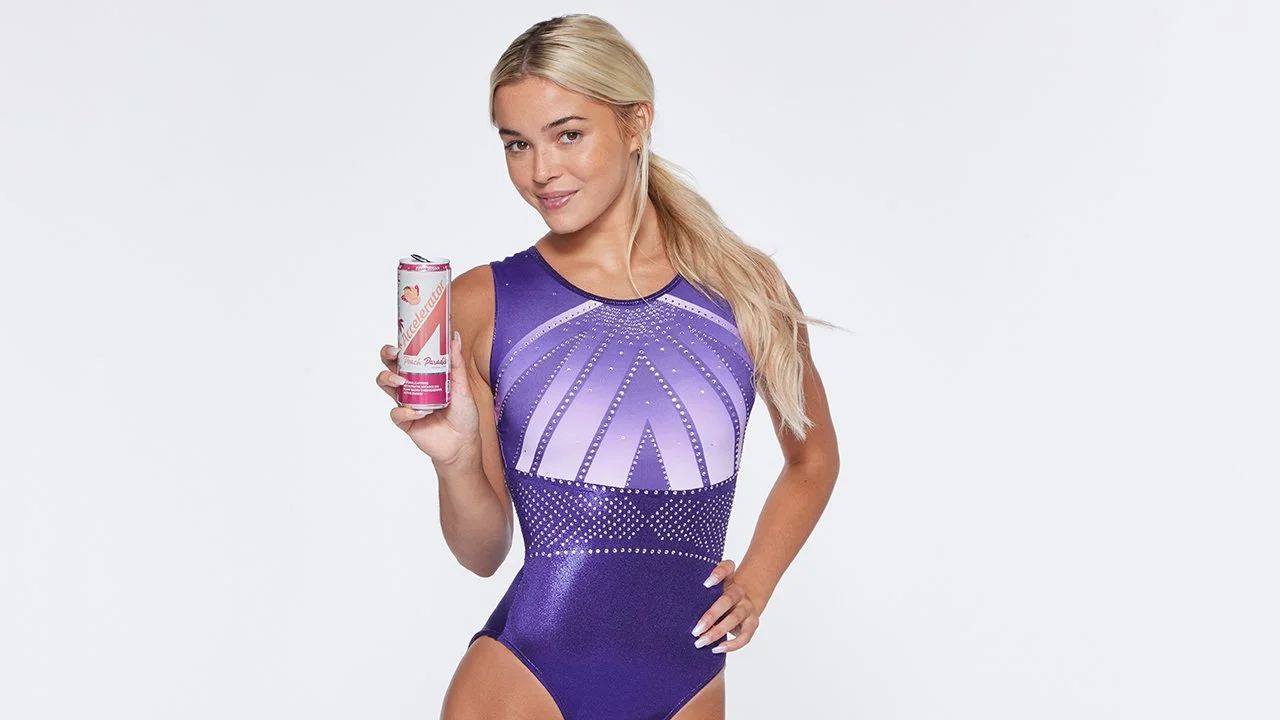
After the law was passed in 2021, athletes were able to “appear in commercials for products, sell their autographs for memorabilia or even offer the rights to their image to appear in video games, among the multitudes of other opportunities.”(Bloomsbury) NIL has seen most of its use through college football and basketball as many athletes of these sports have been able to leverage themselves through their athletic ability. Athletes like Livvy Dunne, Arch Manning, and Carson Beck have gotten a lot of recognition through their NIL deals. In this sense, NIL has been positive for getting athletes who perform well at the highest level, the recognition they deserve based on having millions of fans just like professionals. Livvy Dunne who was an LSU gymnast first came onto the scene through Tik Tok, as she became more recognizable to people in the public, the more she grew her brand the more money she made. “At her peak it is estimated she was making $3-4 million dollars per year, and secured sponsorships from companies like Vuori and American Eagle.”(Sports Illustrated) The deals these athletes have been able to sign in reality seem to be more beneficial than not, however, as described by Bloomsbury the “NIL world has been described by most as the wild wild west.” With money comes greed, and when you have 18-21 year olds experiencing millions of dollars at such a young age, the negatives will show face.
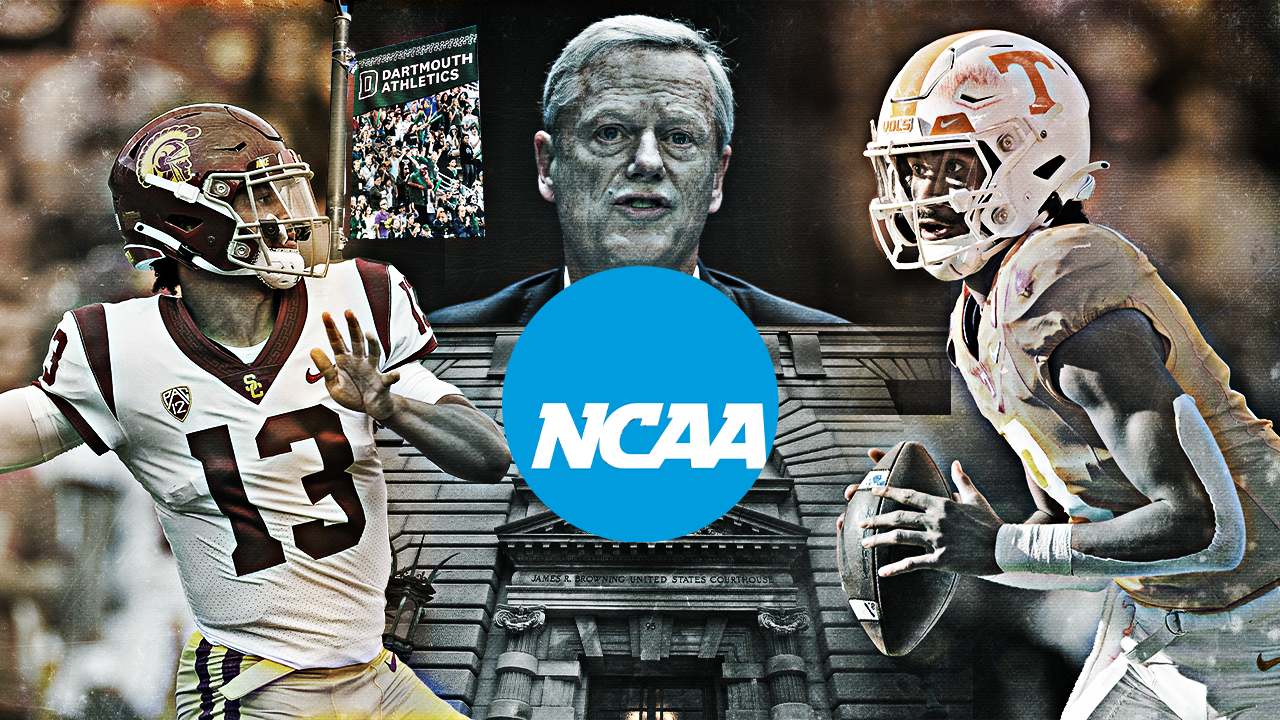
(Source:Sportico.com)
The legal shift
NCAA Regulations, Court Cases, and State Laws
House vs NCaa Settlement
July 1st, 2025
This effectively ended the NCAA’s traditional amateurism model
O’Bannon vs NCAA
2014
First major successful challenge to NCAA amateurism rules
NCaa Vs Alston
2021
Most influential Supreme Court NCAA compensation case
House Vs Ncaa
2020
Athletes argued NCAA illegally restricted NIL compensation and revenue sharing
State Laws
California’s “Fair Pay to Play “ Act
GOVERNOR Newsom signed state law requiring schools to allow NIl forcing NCaa hand
NIL Development Over time
Below shows a chronological timeline of the Evolution of
college NIL and where it stands today.
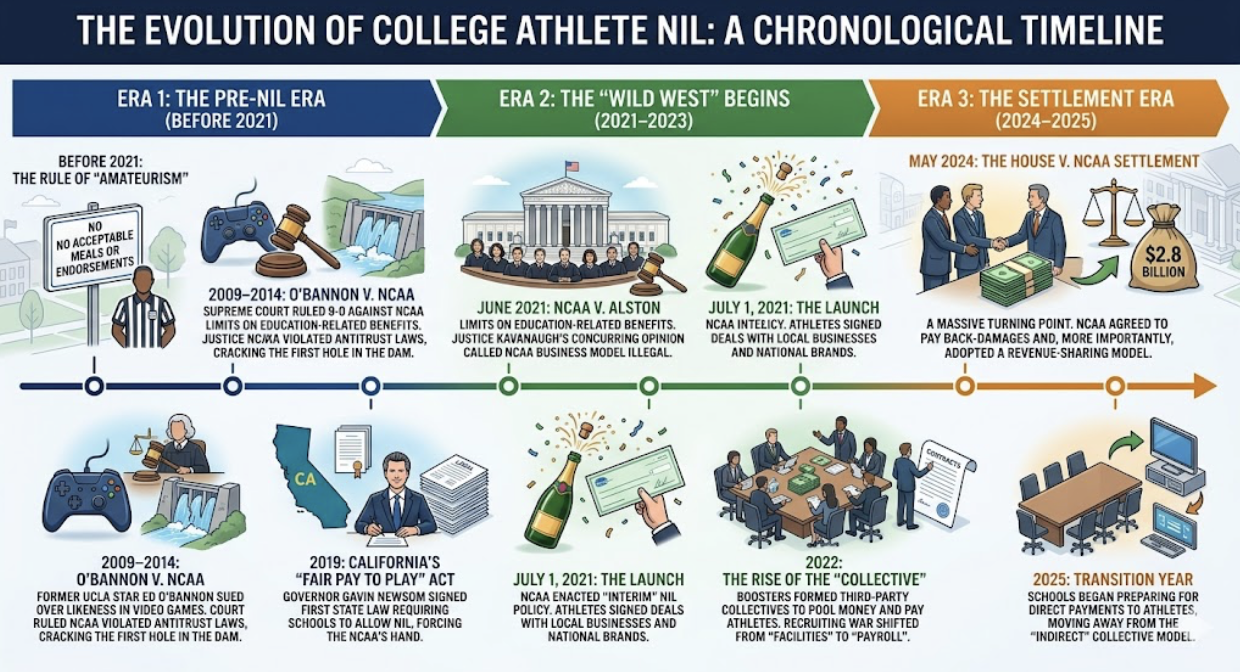
The NCAA has acknowledged the situation is evolving and they are constantly looking to make the NIL system as fair and reasonable as possible.